
🐾 The Deep Bond Between Europeans and Their Pets: How Laws and Social Movements Reflect an Evolving Relationship
Throughout the long course of human civilization, pets have played a profound role in emotional and social development. In Europe, the human-animal bond has evolved far beyond simple ownership or companionship. Today, this emotional connection crosses species boundaries and reflects a societal shift in how animals—especially pets—are perceived and treated.
Driven by progressive legislation and powerful public movements, the legal status and emotional value of pets have become increasingly important in European society.
⸻
⚖️ 1. Pets Are No Longer “Objects”: Legal Shifts in European Pet Welfare
For many decades, animals were treated as property under the law, which limited both their rights and the consequences of abuse. However, in the early 21st century, several European countries began revising their legal frameworks to elevate the status of pets.
• Germany: In 2002, Germany became the first country in the world to include animal protection in its constitution. Article 20a of the Basic Law explicitly states: “The state shall protect the natural foundations of life and animals by legislation.” This was a landmark moment, providing pets and animals with constitutional protection.
(Source: Bundestag Archives)
• Austria: In 2004, Austria amended its Civil Code, declaring that animals are not things, and giving them a special legal category between property and humans.
• France: In 2015, France legally recognized animals as sentient beings in its Civil Code, moving them from the category of “movable property” to one that acknowledges their capacity for emotion and pain. This shift significantly strengthens penalties for abuse.
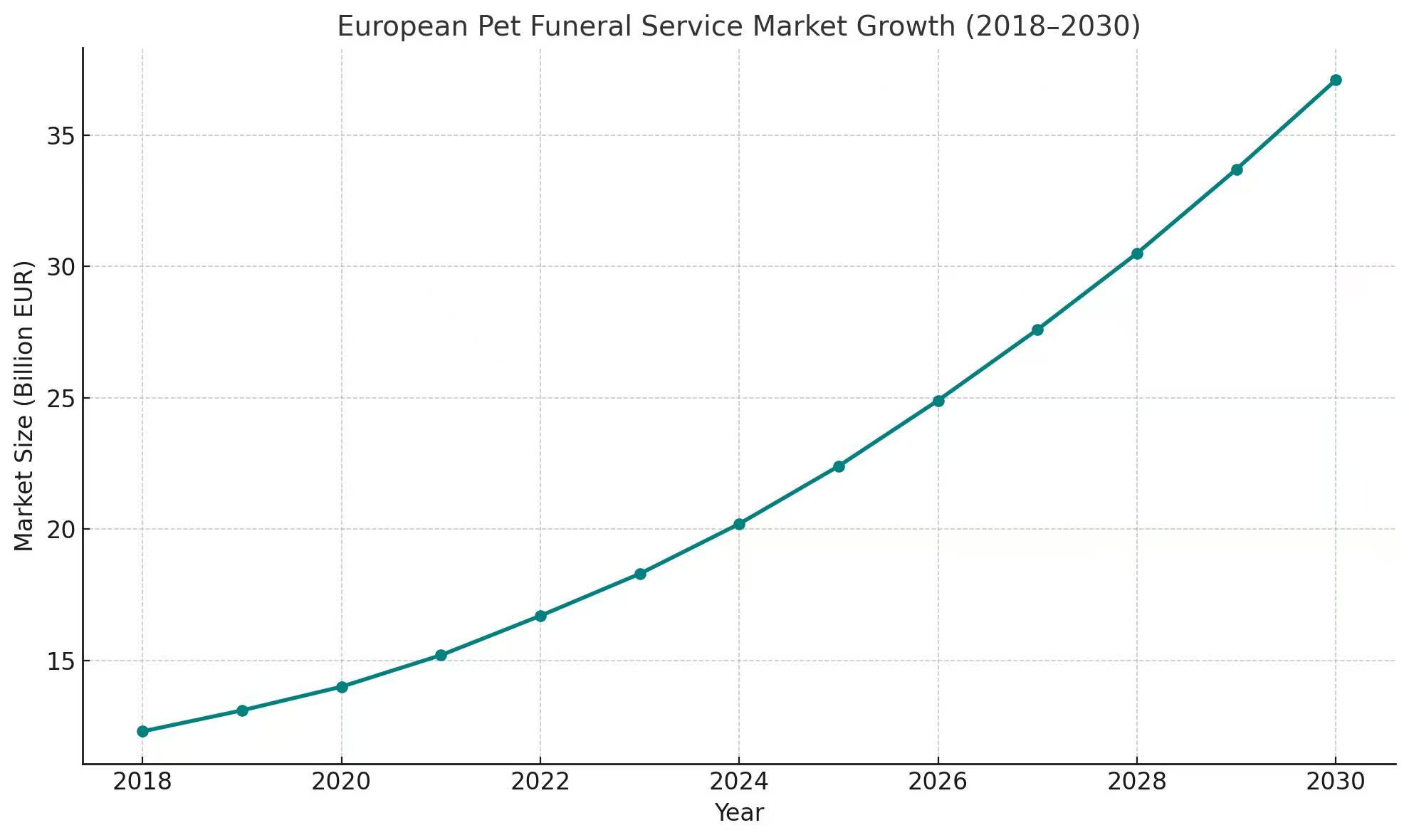
These legislative milestones reflect the growing emotional bond Europeans share with their pets and the broader recognition of animals’ rights.
⸻
🧍♂️ 2. Animal Rights Protests and Social Movements: Public Sentiment in Action
Across Europe, animal rights protests and pet welfare campaigns have become a common sight, revealing just how deeply pets are woven into the fabric of European emotional life.
• Spain’s Galgo March: Every February, thousands of people take to the streets in Madrid to protest the abuse and abandonment of Spanish hunting dogs (Galgos). The annual event is themed “They are family, not tools,” symbolizing the emotional recognition of pets as more than just animals.
• Belgium’s Shared Custody Proposal: In 2020, Belgium introduced discussions around shared custody of pets in divorce proceedings. This reflects how many modern families now view pets as children or integral family members, deserving of emotional consideration and legal rights.
• UK’s National Pet Remembrance Day: Every year, more families participate in online and in-person commemorations for deceased pets. These observances are increasingly supported by local councils and media outlets, highlighting society’s acceptance of pet grief as real grief.
These emotionally driven movements are reshaping how society views the roles of animals—not just as companions, but as sentient beings deserving empathy and care.
Tip:If you are interested in the laws of various European countries and the changes in people’s relationship with pets over time, you can read the following article as a general knowledge.
⸻
🌱 3. From Loss to Legacy: The Rise of Modern Pet Funeral Services in Europe
As emotional bonds deepen, the way Europeans say goodbye to their pets is also evolving. Modern pet funeral services in Europe have grown significantly, offering families more dignified and environmentally conscious ways to honor their beloved animals.
• Eco-friendly options such as aquamation (water cremation) are becoming more accessible and popular, especially among environmentally conscious pet owners.
• Personalized memorials, digital remembrance galleries, and customized urns are now offered by specialized providers across the continent.

This shift aligns with Europe’s long-standing tradition of honoring pets in death. From the first known pet cemetery in London’s Hyde Park in the 19th century to today’s digital memorial platforms, Europeans are increasingly viewing their pets’ passing as a moment deserving reverence, ritual, and remembrance.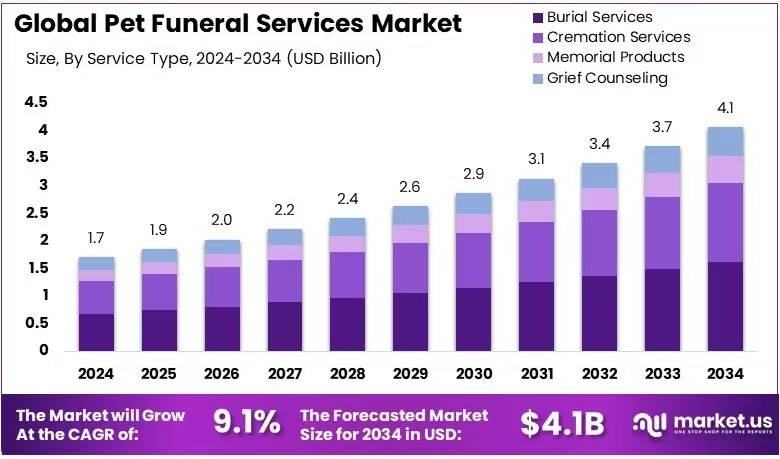
⸻
🔮 Looking Forward: Legal, Technological, and Emotional Convergence
Europe’s pet culture continues to move toward a model of pets as family. Future trends suggest deeper legislative protection and emotional acknowledgment of pets:
• More EU countries are expected to follow Germany’s example and include animal welfare in constitutional law.
• AI technology will support virtual pet memorials, grief therapy chatbots, and digital storytelling platforms for lost pets.
• Mental health for pets is becoming a growing concern, with increasing interest in pet therapy, animal psychologists, and emotional well-being support.
As the pet-human relationship becomes more emotionally and culturally embedded, we can expect more humane, expressive, and respectful practices surrounding both life and death.