⸻
Introduction: What Is a Tibetan Sky Burial?
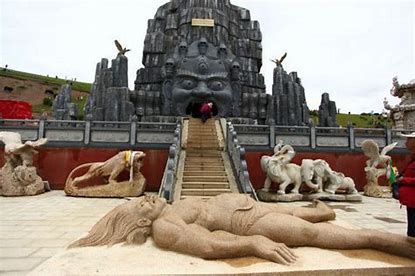
Tibetan sky burial, or Jhator in Tibetan, is a sacred funeral custom practiced mainly in Tibet and surrounding Himalayan regions. Due to the region’s harsh terrain and limited resources, this eco-friendly Tibetan funeral practice emerged as both a practical and spiritual response to death. It is deeply tied to Buddhist sky burial tradition, where the body is offered to vultures as an act of compassion and rebirth.
⸻
- Origins and History of Tibetan Sky Burials
The history of Tibetan sky burials can be traced back over a thousand years. Influenced by ancient Bon religion and later by Tibetan Buddhism, the practice reflects the belief in samsara—the cycle of death and rebirth. As wood was scarce and the ground too hard to dig, sky burial ceremonies in Tibet became a respectful and natural method of returning the body to nature.
⸻
- The Sky Burial Ceremony: A Step-by-Step Ritual
Understanding how Tibetan sky burials work reveals their rich symbolism:
1. Spiritual Preparation: Monks chant sutras to guide the soul through bardo, the intermediate state between death and rebirth.
2. The Funeral Journey: The body, wrapped in white cloth, is carried to a sky burial site without turning back—a symbol of letting go.
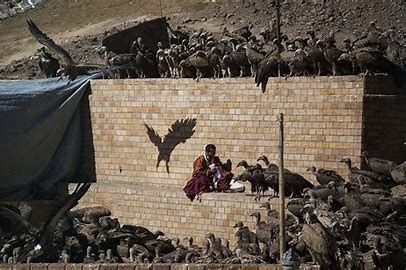
3. Offering the Body to Nature: At the burial site, incense is burned to attract vultures. The sky burial master then dissects the body and mixes it with barley flour (tsampa) to be consumed by the birds.
4. Return to the Earth: If any remains are left, they are burned and the ashes are scattered—completing the body’s return to the natural world.This process reflects the eco-conscious nature of sky burials, where nothing goes to waste.
⸻
- The Philosophy Behind Sky Burial
In Tibetan Buddhism, the meaning behind sky burial lies in renunciation and compassion. The physical body is seen as a temporary vessel, and feeding it to vultures represents the final act of generosity. This reflects the core Buddhist ideas of impermanence and non-attachment to the physical form. Like the famous tale of Buddha offering his body to a starving tigress, Tibetan sky burial rituals teach us about kindness even in death.
⸻
- FAQ: Tibetan Sky Burial
Q1: Where are Tibetan sky burials still practiced?
A: Sky burials are still common in Tibet, Qinghai, Sichuan, and parts of Nepal and India. These regions uphold traditional Tibetan funeral customs, particularly in rural and monastic areas.
Q2: Is the sky burial legal and practiced today?
A: Yes, though modern cremation is more common in cities, sky burial ceremonies in Tibet remain an honored tradition in rural communities. They are protected as part of cultural heritage.
Q3: What role do vultures play in Tibetan sky burial?
A: Vultures are seen as sacred animals that assist in the soul’s journey. In this Buddhist sky burial tradition, their feeding signifies the body’s return to nature and helps the soul move on peacefully.
⸻
- Inspired by Tradition: Revival Dreaming
At Revival Dreaming, we honor the spiritual meaning of sky burial through our eco-friendly ceramic urns. Inspired by the same belief—that life returns to nature and love transcends physical form—our designs celebrate life’s full cycle. While we do not perform sky burials, we embody its values of peace, simplicity, and spiritual continuity in our memorial products.
⸻
Conclusion: Returning to Nature with Dignity
In a world racing toward modernity, the Tibetan sky burial remains a timeless ritual that speaks of harmony, humility, and hope. It teaches us that death isn’t an end, but a transition—a message mirrored in nature itself. As we seek more meaningful ways to honor life and legacy, the sky burial philosophy continues to inspire a deeper respect for life, death, and everything in between