
⸻
🐾 The Emotional Bond Between Europeans and Their Pets: How Laws and Social Movements Reflect a Changing Relationship
Throughout the long arc of human civilization, pets have held a special place in our emotional lives. In Europe, the human-animal bond has evolved far beyond concepts like “ownership” or “companionship”—it has become a deeply emotional, even spiritual connection. This unique interspecies dependency plays an often underestimated role in emotional well-being and social stability. In recent decades, legal reforms and public events have brought increasing attention to the rights, status, and emotional value of pets.

⸻
⚖ 1. Pets Are No Longer “Property”: Legal Shifts Across Europe
For much of history, animals were treated as property under the law, limiting both their legal rights and the penalties for abuse. But in the early 21st century, several European countries began redefining the legal status of pets, recognizing their sentience and emotional importance:
• Germany: In 2002, Germany became the first country in the world to enshrine animal welfare in its constitution. The amendment to the Basic Law declares, “The state shall protect the natural foundations of life and animals,” granting animal rights a constitutional level of protection (Source: German Bundestag).
• Austria: In 2004, Austria amended its Civil Code to officially state that “animals are not objects,” granting them a legal category that is neither person nor property.
• France: Since 2015, the French Civil Code has recognized animals as “living beings endowed with sentience,” upgrading their legal classification from “movable property” and enabling harsher penalties for mistreatment.
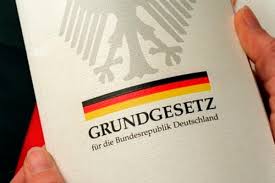
These legal milestones reflect not only a shift in policy but also a growing emotional bond with pets in European societies, recognizing animals as beings worthy of care, dignity, and legal protection.
⸻
🧍♂ 2. Pet Welfare and Animal Rights Protests: From Sentiment to Societal Recognition
Public engagement in animal rights protests has grown steadily across Europe, reflecting collective emotional investment and calls for improved animal welfare standards. Several high-profile events exemplify how deeply embedded pets have become in modern emotional and moral frameworks:
• Spain – The Galgo March: Every February, thousands take to the streets of Madrid to protest the mistreatment of Galgos (Spanish hunting dogs) used in traditional hunts. The slogan “They are family, not tools” captures the evolving view of animals as more than just functional companions.
• Belgium – Pet Custody Debates: In 2020, Belgium saw public debate over the idea of “pet co-parenting” in divorce settlements, mirroring a growing societal view that pets are emotionally equivalent to children.
• United Kingdom – Pet Remembrance Trends: Annual “Pet Memorial Days” have gained traction on social media, with families commemorating lost pets in increasingly formal and emotional ways. In some cities, local governments and media outlets now support these initiatives.
These movements underscore how the relationship between humans and pets has shifted from basic care to a form of spiritual kinship—prompting legal, emotional, and societal reevaluation of pet welfare.

⸻
🌱 3. Honoring the Emotional Bond: The Rise of Pet Funeral Services
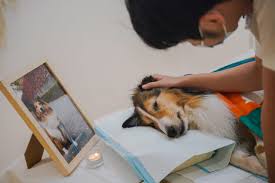
One of the most telling reflections of emotional continuity between humans and pets is how we say goodbye to them. In recent years, modern pet cremation services in Europe have emerged, offering eco-conscious options like aquamation (alkaline hydrolysis) and increasingly ceremonial rituals that allow grieving owners to say farewell with grace and dignity.
These services are deeply rooted in tradition. For a deeper historical perspective, see this article on the evolution of pet burial in Europe. From the first pet cemetery in Hyde Park, London in the 19th century to today’s digital memorial platforms, the evolution of pet funeral history in Europe reflects an increasing emotional and social recognition of pets as true members of the family.
⸻
🔮 Looking Ahead: Deeper Legislation, Technological Bridges, and Holistic Care
Looking to the future, the trajectory of European pet culture seems clear—toward even stronger emotional, legal, and technological integration:
• More EU countries are expected to follow Germany’s example and embed animal welfare into their constitutions.
• Artificial intelligence may play a growing role in virtual memorials, digital storytelling, and memory preservation.
• Mental health for pets—especially in urban or single-owner households—may become the next frontier in pet care.
As pets become inseparable from the emotional fabric of families and cultures, the ways we protect, mourn, and connect with them will continue to evolve—becoming more human-centered, ethical, and emotionally nuanced.
⸻